
1. Measure the largest pass-over section
Record the maximum connector, splice, lug or irregular component outside diameter. The tubing expanded ID must provide practical installation clearance.
HEAT SHRINK ENGINEERING GUIDE
Choose a shrink ratio from the complete installation path: the tubing must pass over the largest connector, splice or terminal and still recover tightly around the smallest cable section. Compare expanded ID, recovered ID, wall build, adhesive and heating conditions together.
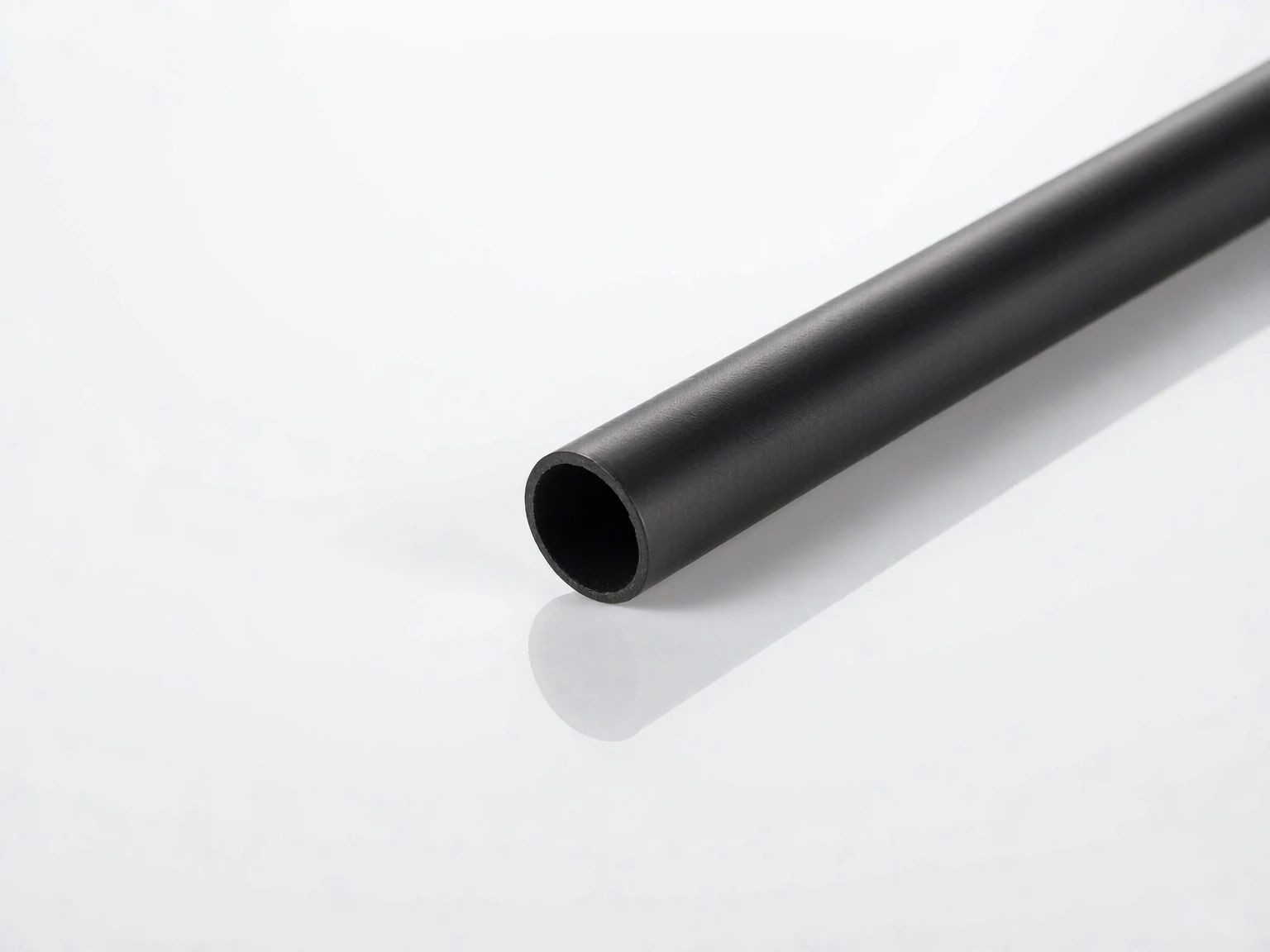
RATIO COMPARISON
| Nominal ratio | Typical selection direction | Key checks |
|---|---|---|
| 2:1 | Regular wires, terminals and components with limited diameter change | Simple installation, recovered fit, wall thickness and heating access |
| 3:1 | Splices, connectors or transitions where the pass-over diameter is notably larger than the cable | Connector clearance, adhesive flow, final wall build and bend stiffness |
| 4:1 | Irregular assemblies or large connector-to-cable differences that need wider installation latitude | Maximum expanded ID, minimum recovered ID, heating uniformity and finished geometry |
Ratios are nominal descriptions. Use the actual expanded and recovered inside-diameter limits from the selected product specification.
Compare heat shrink tubing structures, temperatures and sourcing options on the WCW product page.
SELECTION METHOD
Record the maximum connector, splice, lug or irregular component outside diameter. The tubing expanded ID must provide practical installation clearance.
Record the cable, wire or terminal diameter where the tubing must grip or seal. The recovered ID must be below this diameter with suitable margin.
Confirm wall build, adhesive coverage, axial shrinkage, bend flexibility and surface condition using production-representative samples.
DESIGN EXAMPLE
If tubing must pass over a 12 mm connector and recover around a 4 mm cable, a 2:1 construction may not cover both conditions. A suitable 3:1 or 4:1 product could provide the required expanded clearance and recovered fit, but the decision must use the product's actual dimensional table rather than ratio alone.
For sealed assemblies, also check adhesive quantity, overlap length, substrate cleanliness and heating method. A higher ratio does not compensate for inadequate adhesive flow or uneven heating.
Request samples to validate fit, recovery and sealing on a production-representative assembly.
RFQ CHECKLIST
RELATED RESOURCES
Review dual-wall adhesive, high-ratio and high-temperature tubing directions.
View the product pageCoordinate sealing, abrasion, strain relief and installation conditions for the complete assembly.
View industry solutionsSend the largest and smallest diameters for a size and ratio recommendation.
Request a reviewRATIO AND SIZE SUPPORT
Include the largest pass-over diameter, smallest recovery diameter, sealing requirement, operating temperature, covered length and annual quantity. WCW can review the ratio, size and sample route.